
Saudi Breakfast Recipes: 7 Dishes for Your Morning Table
Morning in a Saudi home has its rituals long before it has recipes. The coffee pot is on the stove, the pan is heating, and the bread, fresh out of the oven, releases a cloud of steam. A voice from the other room calls, “Is breakfast ready?” And you always have the answer.
On the table, seven Saudi breakfast dishes, and no two alike. Some are the flavors we grew up with, while others are fresh ideas for your morning. The old recipes were never written in a book. They were passed down from mother to daughter, and every mother added something of hers: a spoonful of ghee, a pinch of cardamom, or a step she shortened because the kids couldn’t wait.
Here’s the story behind each dish: what makes it different, how it’s made, and your touch with Puck.
We start with bread, because that's how every Saudi breakfast starts.
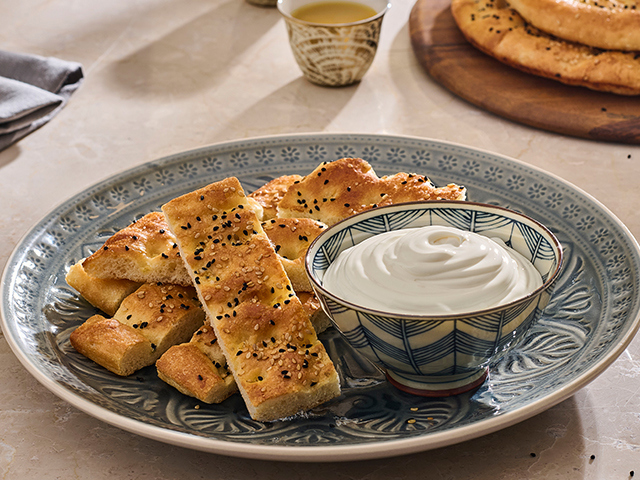
Tamees Bread - Traditional Saudi Flatbread
Before the shops even open, the tamees bakeries are already at work. And before the house wakes up, someone’s gone to fetch some, returning with the whole car filled with the smell of freshly baked bread. It arrives at the breakfast table hot, alongside a plate of fava beans and glasses of tea.
But you can make tamees bread right in your home oven. Its dough contains laban, which keeps it soft, and the secret is in the heat: High heat is what makes it puff up and brown on top, and a home oven at its highest temperature can stand in for the tannour. Poking the dough with your fingers before baking is what gives it its signature look.
Your touch with Puck: Brush it with a little ghee as soon as it comes out of the oven, then add Puck Cream Cheese Spread while it’s still hot, and the heat melts it right into the bread.
Full recipe: Discover the ingredients and how to make Tamees Bread - Traditional Saudi Flatbread.
Masabeeb – Saudi Pancakes
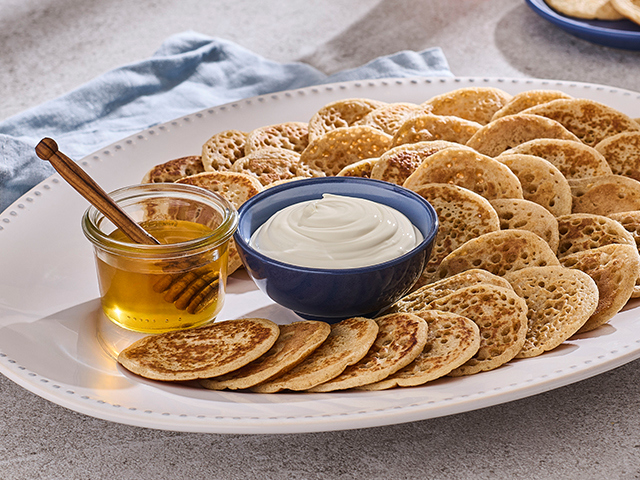
From the tannour to the saj. Masabeeb takes its name from pouring, because that’s how the batter goes on. It's the only one of the seven named for the hand movement it takes to make it.
A Najdi dish, also known as al-marasie or al-maraqees, masabeeb are made from a batter that uses both whole-wheat and white flour. And at home, you don’t need a saj; a non-stick pan will do. Pour a little batter and let it spread on its own. As soon as bubbles appear and the surface dries, flip it for just a few seconds. Then stack them on the plate.
Your touch with Puck: Before the honey, add a generous amount of Puck Cream Cheese Spread over the hot pancakes. It melts with the heat, so every bite has two flavors in balance.
Full recipe: Discover the ingredients and how to make Masabeeb – Saudi Pancakes.
Masoub with Banana and Honey
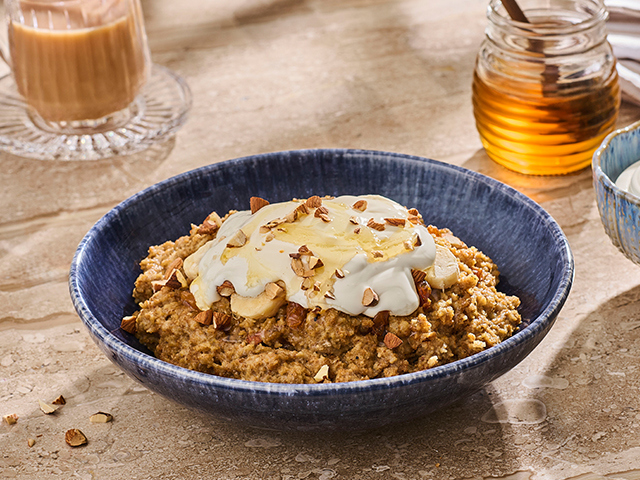
That leftover tamees from yesterday? Don’t throw it away. It turns into masoub. The aroma of toasted bread and bananas reaches you first, followed by a single dish in the center of the table, with everyone reaching in with their spoon.
Good masoub has two rules. The bananas need to be very ripe, with spotted peels, because that’s when they’re at their sweetest. Mash them with a fork, leaving some chunks. The bread should be roughly crumbled, without being mashed into a dough-like texture, then toasted in the pan for a few minutes before being added to the bananas. Then just top the masoub with dates, raisins, and toasted almonds.
Your touch with Puck: Dab a few spoonfuls of Puck Cream Cheese Spread on top of the masoub, along with the honey. It adds a subtle savory touch to the sweetness, so every spoonful is balanced.
Full recipe: Discover the ingredients and how to make Masoub with Banana and Honey.
Traditional Luqaimat Stuffed with Cream Cheese
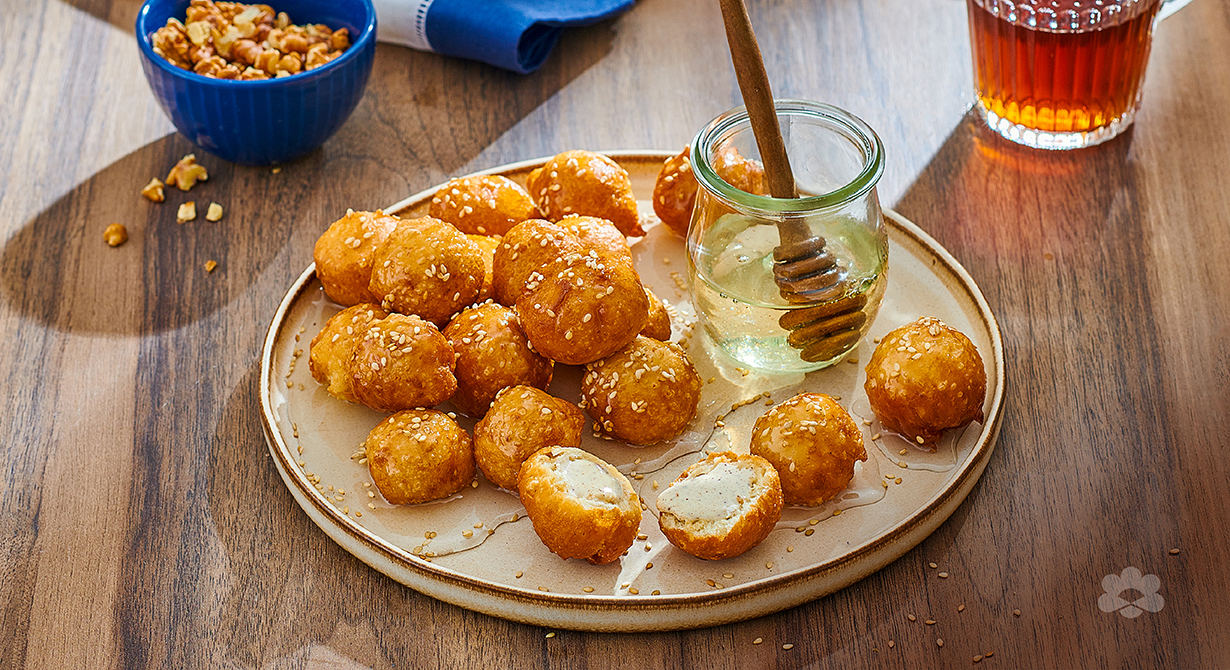
Cheese-stuffed luqaimat are golden bites that come straight out of the oil and are immediately dipped in syrup, best served alongside a dalla of coffee. As soon as the plate hits the table, everyone gathers around.
The temperature of the oil makes all the difference. If it’s too cool, the luqaimat will absorb the oil and turn out heavy. Test the oil with a small piece of dough. If you hear it sizzle and bubbles form around it, the oil is ready. If you want them extra crispy, fry them twice. At the heart of each one is Puck Cream Cheese Spread, which keeps the sweetness of the syrup in check.
Your touch with Puck: A pinch of cardamom in the dough, with date syrup instead of the usual sugar syrup. This tones down the sweetness, letting the Puck Cream Cheese Spread at the center shine through.
Full recipe: Discover the ingredients and how to make Traditional Luqaimat Stuffed with Cream Cheese.
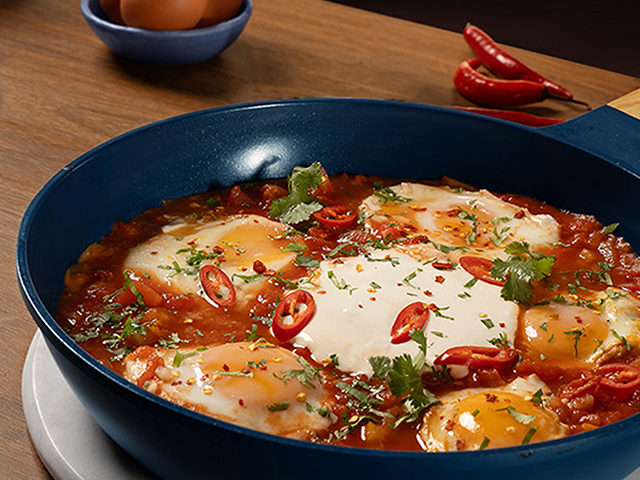
Shakshuka with Cream Cheese
From sweet breakfast dishes to savory ones. Shakshuka with cream cheese is a one-pan dish that goes straight from the stove to the table, just as it is, with everyone tearing off bread and dipping it in.
The eggs aren’t whisked here. They’re cracked into wells in the sauce and cooked right in it, so everyone gets their share, yolk whole. Every home adjusts it to taste: how much tomato, how many eggs, and whether you like your yolk runny or fully cooked. You know your family’s preferences best.
Your touch with Puck: Add Puck Cream Cheese Spread after turning off the heat, so it stays distinct and creamy on top of the sauce. Spread some on the bread you dip into it.
Full recipe: Discover the ingredients and how to make Shakshuka with Cream Cheese.
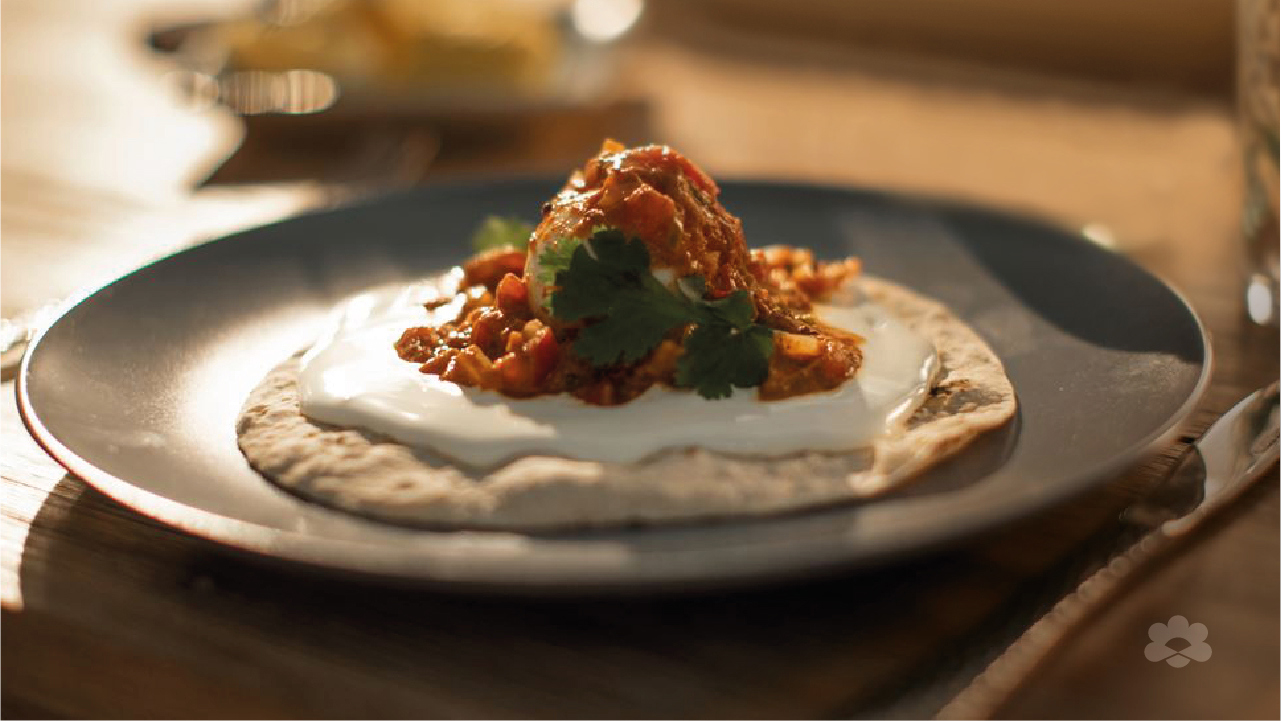
Chapati Wrap with Eggs Masala and Cream Cheese Spread
There’s another way to prepare eggs in homes across the Eastern Province, where chapati is the everyday homemade bread. It’s thin, it wraps around whatever’s in the kitchen, and it’s eaten by hand, no plates needed.
For this Chapati Wrap with Eggs Masala, the first sound from the pan is the mustard seeds popping in the oil. That’s where the sauce begins, followed by the boiled eggs, which soak up the spices.
Your touch with Puck: Puck Cream Cheese Spread on the chapati holds the wrap together and mellows the heat of the spices. For little ones, reduce the chili and try Puck Cream Cheese Spread with Vitamin D.
Full recipe: Discover the ingredients and how to make Chapati Wrap with Eggs Masala and Cream Cheese Spread.
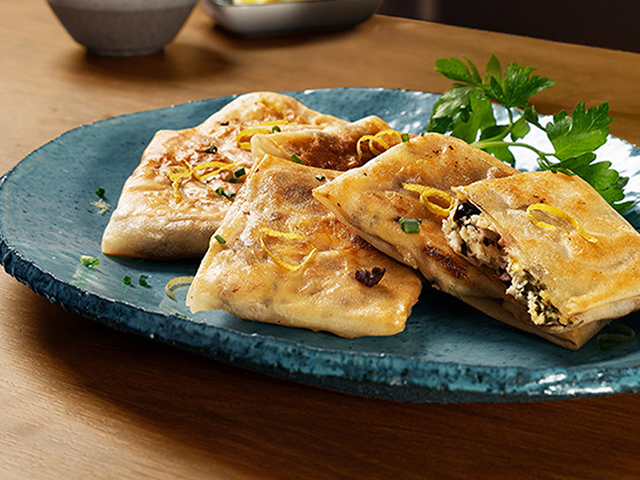
Cheese Mutabbaq
The final dish is the one that brings it all together. Traditionally, mutabbaq dough is stretched by hand until it's paper-thin. Spring roll wrappers can be a mom’s quick solution: the same great taste, in half the time.
Each mutabbaq is folded into a square. The folds trap the steam inside, leaving the filling melted and the pastry crisp on the outside.
Your touch with Puck: Make it sweet. Use Puck Cream Cheese Squares alone as the filling. Then, after frying, drizzle each mutabbaq with date syrup and sprinkle with sesame seeds. Same steps, but it becomes a completely different dish.
Full recipe: Discover the ingredients and how to make Cheese Mutabbaq.
Same steps, but a completely different dish. That’s the idea from the very first line.
There’s no one right recipe. There’s the recipe that came out of your hands, the one your family knows as yours.
Pick a recipe, change it, and keep it.
Re-write Your Own Recipe.